
In the pursuit of enhanced productivity and innovation, businesses invest in technology, training, and talent. Yet, one of the most powerful levers for unlocking human potential often receives less strategic attention than it deserves: the physical workspace itself. We are not talking about mere aesthetics or the number of desks per square foot. We are exploring how intentional workspace design can cultivate "flow state" – that coveted mental zone where individuals become fully immersed and energised by their work, leading to peak performance and deep satisfaction.
What exactly is flow? Coined by psychologist Mihaly Csikszentmihalyi, it is the experience of being completely absorbed in an activity, where focus sharpens, time seems to melt away, and tasks are performed with optimal efficiency and creativity. Achieving this state is vital for producing high-value, complex, and innovative work – the very outputs that drive success in many modern organisations. However, typical office environments, often unintentionally, can be significant barriers to achieving flow. Constant interruptions, distracting noise levels, and a lack of personal control over one's surroundings can fragment attention and stifle deep concentration.
The good news is that thoughtful, intentional design can transform a workspace from a source of distraction into an environment that actively invites and protects flow. This article will delve into actionable design principles that can help your organisation craft spaces tailored to support deep work, foster collaboration where needed, and ultimately unlock your team's true productivity potential.
To design for flow, it helps to understand what disrupts it. Our brains are wired to respond to stimuli, and an environment filled with unpredictable noise, constant movement, or visual clutter forces us to expend mental energy filtering out these distractions. This increases cognitive load, making it significantly harder to enter and sustain the state of deep concentration required for flow.
Key environmental factors that impact our ability to achieve flow include:
Intentional design seeks to mitigate these disruptors and create conditions conducive to sustained focus.
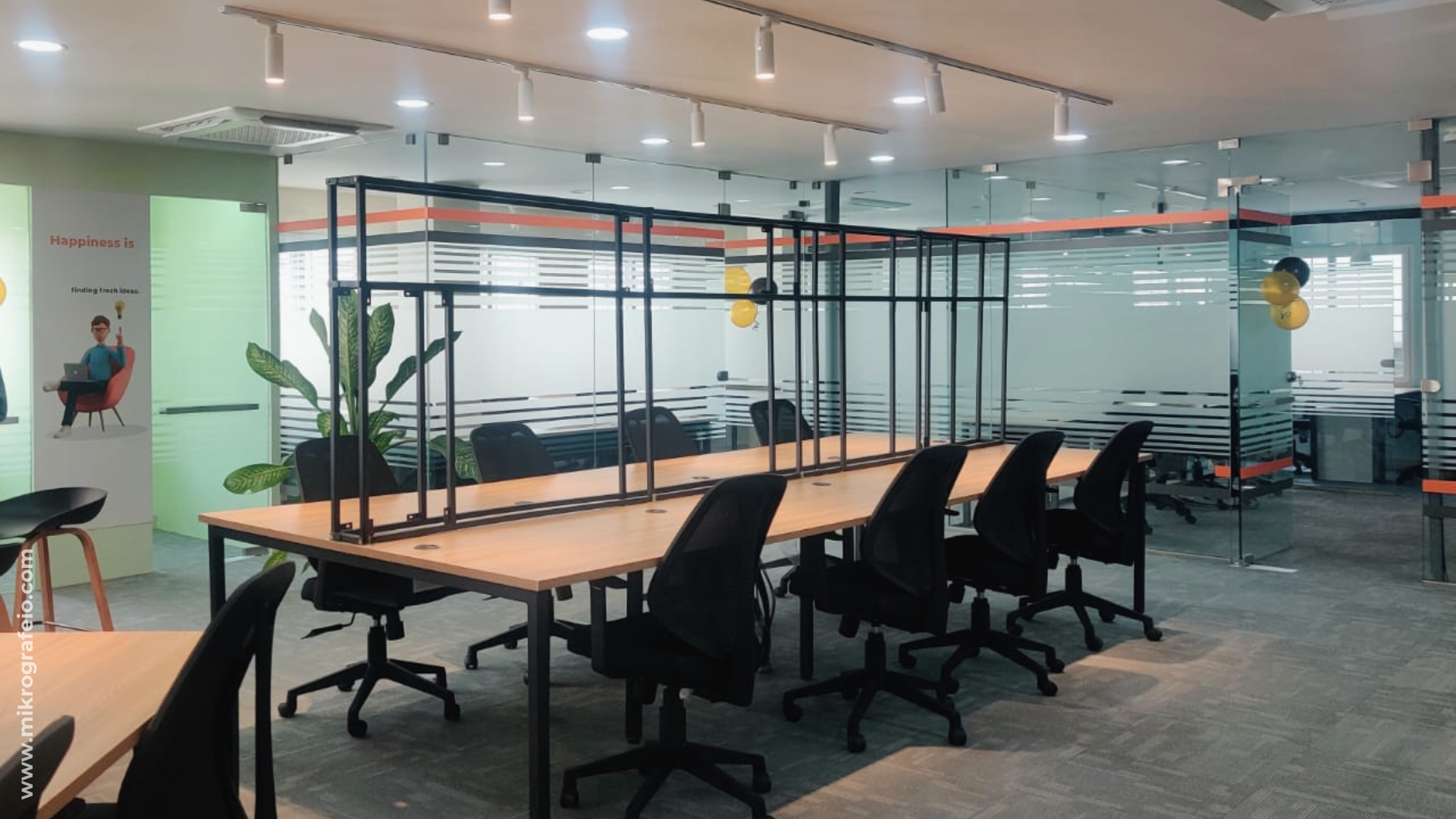
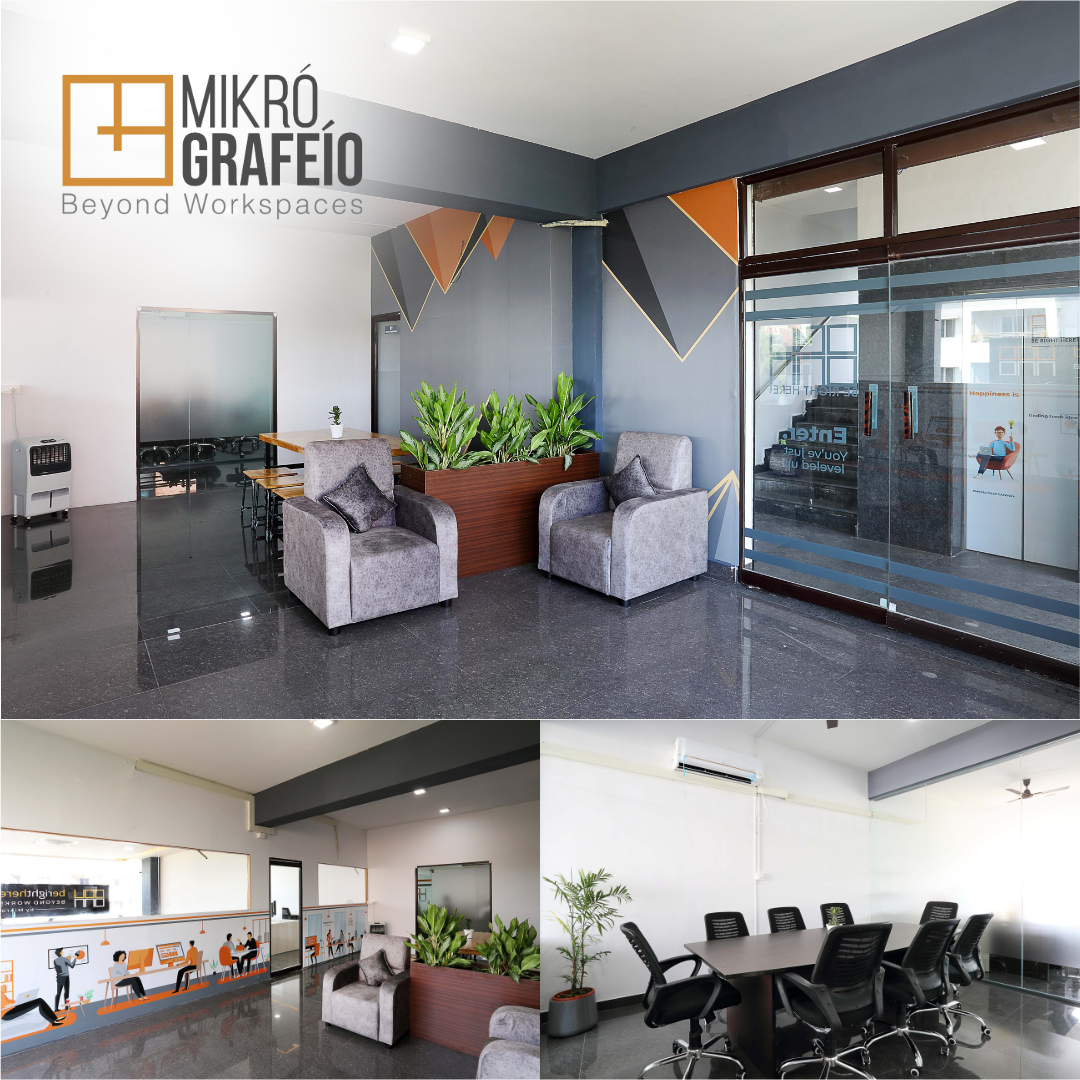
A fundamental understanding in designing for flow is that not all work is the same, and different tasks demand different types of environments. A one-size-fits-all open plan, or conversely, an office composed solely of private cubicles, will inevitably fail to support the varied activities of a dynamic team. The solution lies in creating distinct zones, each optimised for a specific work mode.
A sense of autonomy and control over one's immediate environment can significantly impact comfort, focus, and overall wellbeing. While complete customisation might be impractical in many settings, providing elements of personalisation and control is a powerful strategy.
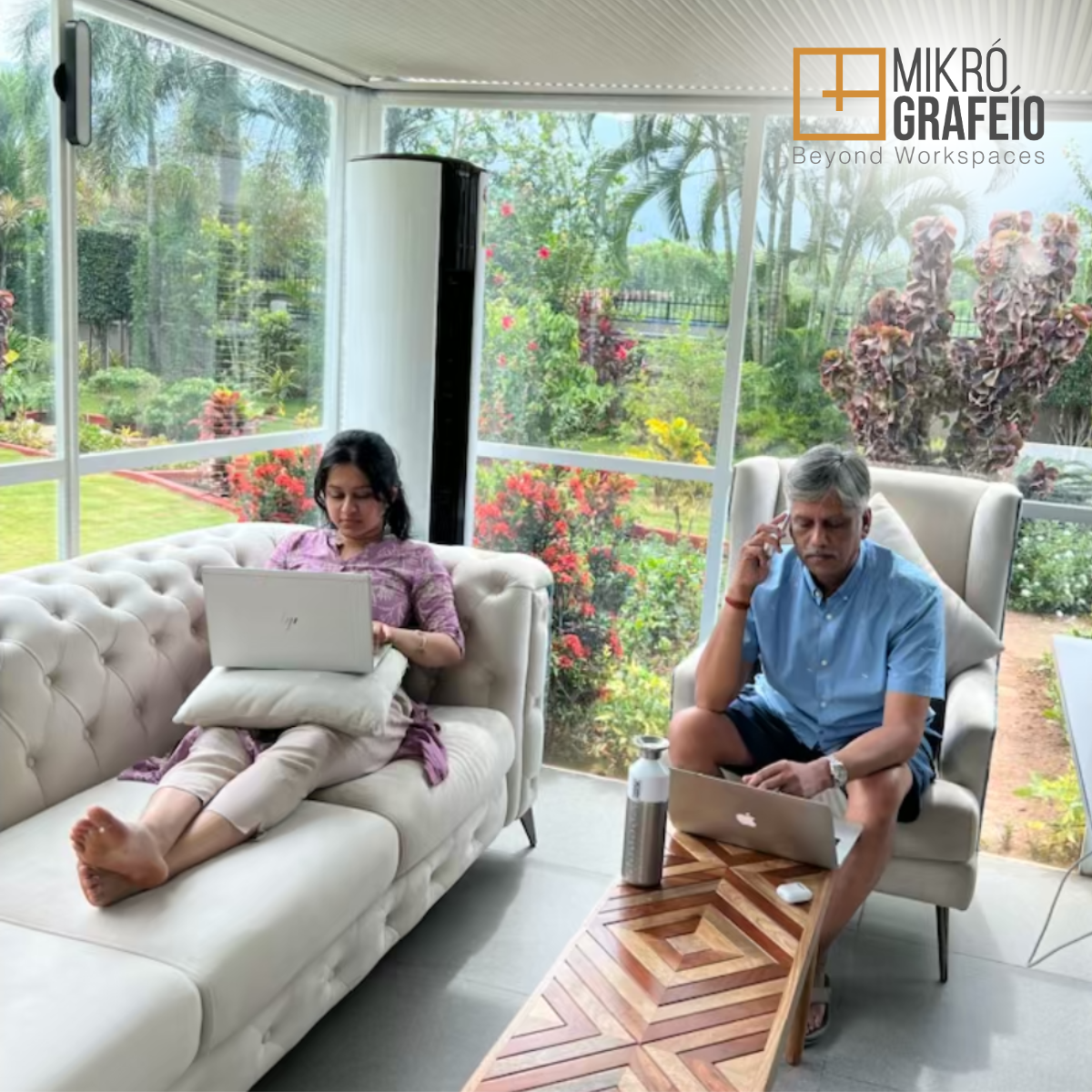
Humans have an innate connection to nature, and incorporating elements of the natural world into the office environment – a concept known as biophilic design – can have profound positive effects on wellbeing, stress reduction, and cognitive function.
Flow is easily disrupted by friction in the work process. Design can play a role in smoothing out these daily hurdles.
Transforming an entire office may not always be feasible, but many principles of designing for flow can be implemented through smaller, incremental changes, even on a limited budget.
Creating a workspace that actively supports flow state is more than an exercise in interior design; it is a strategic investment in your organisation's most valuable asset – the cognitive ability, creativity, and focused attention of your people. When employees can readily find environments that allow them to immerse themselves in their work, the benefits are manifold: higher quality output, increased innovation, improved problem-solving, greater job satisfaction, and enhanced overall wellbeing.
Take a critical look at your current workspace. Where are the friction points? What are the common sources of distraction? By thoughtfully applying the principles of zoning, personalisation, biophilia, and streamlined access, you can begin to craft an office environment that does not just house your team, but actively helps them to thrive and perform at their best. The journey towards a flow-friendly workspace is a journey towards unlocking your team's full potential.